
We may earn money or products from the companies mentioned in this post.
Reviewed 24 October 2026. These wine names are educational research examples, not a ranking of future returns or recommendations to buy particular vintages.
Disclosure: This article contains a paid Amazon link to a wine reference book. As an Amazon Associate I earn from qualifying purchases. See our Affiliate Disclosure.
What is the best wine to buy for investment?
There is no universal best bottle. A credible candidate combines verifiable identity and provenance, evidence of demand for the exact vintage and format, an acceptable all-in purchase price, suitable storage, and a realistic resale route. A prestigious producer can fail that test when the price is too high or the documentation is weak.
Use this guide in two stages: learn the main names, then evaluate a specific offer with the checklist and worked example below. Do not skip the second stage.
If you are still deciding whether to invest at all, start with our beginner’s wine investing guide. Bottle selection comes after checking your budget, time horizon, and tolerance for losses and delayed sales.
19 wine names to research, grouped by market
The list keeps familiar names together so you can learn how comparisons work. Being included in an index or auction catalogue demonstrates market coverage, not a guarantee that your bottles will sell quickly or profitably. Current offers, condition, fees, and your access to buyers still need checking.
Bordeaux: Château Lafite Rothschild, Château Latour, Château Margaux, Château Mouton Rothschild, and Château Haut-Brion
These five First Growths are the producers covered by the Liv-ex Fine Wine 50. That makes them useful examples for learning how different vintages of established wines are priced. It does not make them safe investments or establish a good entry price.
Research task: compare the same wine in the same bottle size and case quantity across two or three vintages. Record dated sale evidence and current offers. A more celebrated vintage may command a premium large enough to outweigh its apparent appeal. Confirm the exact wine name rather than assuming every bottle carrying an estate’s name is interchangeable.
Other Bordeaux examples: Petrus and Château Cheval Blanc
These names appear in major auction collections, including Sotheby’s Bordeaux, Tuscany and Napa catalogue. Historical catalogue presence is a starting point for research, not a current valuation.
Research task: investigate the exact lot’s condition, source, vintage, and recent comparable sales. Calculate how much of your total budget one case would absorb. Buying several labels does not necessarily diversify the risks if all depend on the same market, custodian, or resale channel.
Burgundy: Domaine de la Romanée-Conti
DRC is a producer, not one interchangeable wine. The Liv-ex Burgundy 150 includes several of its labels. A price comparison must match the particular vineyard or cuvée, vintage, bottle size, and condition.
Research task: require specialist authentication and a clear chain of custody appropriate to the value of the purchase. Ask who would accept the bottle for resale, what inspection they would require, and how many relevant transactions support the valuation. Do not treat rarity alone as evidence of a liquid market.
Italy: Sassicaia, Ornellaia, Tignanello, and Masseto
These Tuscan wines offer another set of research examples. Sotheby’s wine listings include examples in different vintages and formats. Advertised estimates are not completed-sale results, and a large-format bottle is not directly comparable with standard bottles.
Research task: compare prices within each wine rather than assuming all Italian labels have similar economics. Check whether a supposedly affordable case still makes sense after minimum storage and resale charges. Geography alone does not determine future returns.
Champagne: Dom Pérignon, Krug, Salon, and Taittinger Comtes de Champagne
Champagne requires particularly careful identification of the release. For example, Krug distinguishes Grande Cuvée editions from its Vintage wines. A house name alone is not enough to match an offer to a comparable sale. The same care applies to different cuvées, styles, and formats from other houses.
Research task: record vintage or edition, the precise cuvée, bottle size, packaging, and storage history. Ask whether any price premium is for a particular release or presentation. Do not infer that every luxury Champagne appreciates because selected collectible releases have done so.
California: Screaming Eagle and Harlan Estate
Both are among the wines covered by the Liv-ex California 50. Use that market coverage as context, then investigate the specific stock and the buyers you can actually reach.
Research task: compare landed cost and net resale proceeds in your intended market. Currency, taxes, shipping, and restrictions can make an attractive overseas quote less attractive in practice. Evidence of trading somewhere does not guarantee an easy sale where you hold the wine.
Chile: Almaviva
Almaviva’s producer history describes the partnership between Baron Philippe de Rothschild and Viña Concha y Toro. It is also represented in Liv-ex’s Rest of the World 60. Neither fact is a reason to buy without checking the offer.
Research task: evaluate vintage-level sales, price, and resale access just as you would for a French or Italian wine. Avoid using a recent performance headline as a substitute for evidence about the particular case.
Six checks before a name becomes a purchase candidate
- Identity: match producer, wine or cuvée, vintage or edition, volume, quantity, and packaging. Resolve ambiguous listings before comparing prices.
- Demand: find dated transactions or realistic purchase quotes for comparable stock. Multiple asking prices are not the same as multiple willing buyers.
- Entry price: compare the total you must pay, including premiums, tax status, handling, delivery, and foreign exchange.
- Provenance and condition: inspect the evidence behind storage and ownership claims. A photograph may show condition but cannot establish the whole chain of custody.
- Holding costs: establish who stores and insures the wine, how the charges change, and whether there are minimum fees.
- Exit: confirm which merchant, platform, or auction could sell it, their acceptance criteria, fees, and expected process. Ask for net proceeds rather than a headline valuation.
Use the valuation checks in our main guide to separate retail offers, auction prices, and seller proceeds. If you would rather delegate selection, compare managed services and other buying routes, including their incentives and fee structures.
Worked example: a lower headline price can cost more
Suppose two offers appear to cover the same six 750 ml bottles, with matching vintage, condition, packaging, location, and tax status. These US-dollar (USD) figures are invented for illustration, not current market quotes.
| Cost | Auction offer | Merchant offer |
|---|---|---|
| Headline price | $1,500 hammer price | $1,850 quoted price |
| Purchase premium | 25% = $375 | Included in quote |
| Transfer and handling | $100 | $50 |
| Total before any further taxes or costs | $1,975 | $1,900 |
The auction’s headline is $350 lower, but the illustrated total is $75 higher. The result could change with different charges or condition. Neither offer becomes a good investment simply because it is cheaper than the other.
Next, add holding and selling costs. For the hypothetical $1,900 purchase, assume $60 a year of storage for five years, a 10% selling commission, and no other costs or taxes. Total cash spent is $2,200. The future sale price would need to be about $2,444 just to return that cash after the commission: $2,200 ÷ 0.90. That requires about a 28.7% rise over the $1,900 entry cost, before tax or inflation. It is a break-even calculation, not a forecast.
Our wine investment cost guide extends the exercise to falling, flat, and rising prices. Use the real quote and contract when evaluating an actual purchase.
Build a one-page file for each offer
A useful record is more valuable than a longer list of prestigious names. Write down:
- The stock: full wine identity, vintage or edition, quantity, format, packaging, condition, and location.
- The seller: legal entity, contact details, invoice, and evidence that the stock exists and can be sold.
- The comparisons: source, date, currency, tax status, and whether each price is an ask, bid, estimate, or completed transaction.
- The costs: all-in acquisition, ongoing charges, and expected sale or transfer deductions.
- The custody: ownership documents, storage history, warehouse arrangement, and insurance terms.
- The exit: likely channels, acceptance requirements, pricing process, and unresolved questions.
For the documents to request, use our ownership and storage checklist. Keep your own copies outside a seller’s app. A high critic score or original wooden case does not replace this evidence.
A pocket reference for learning wine
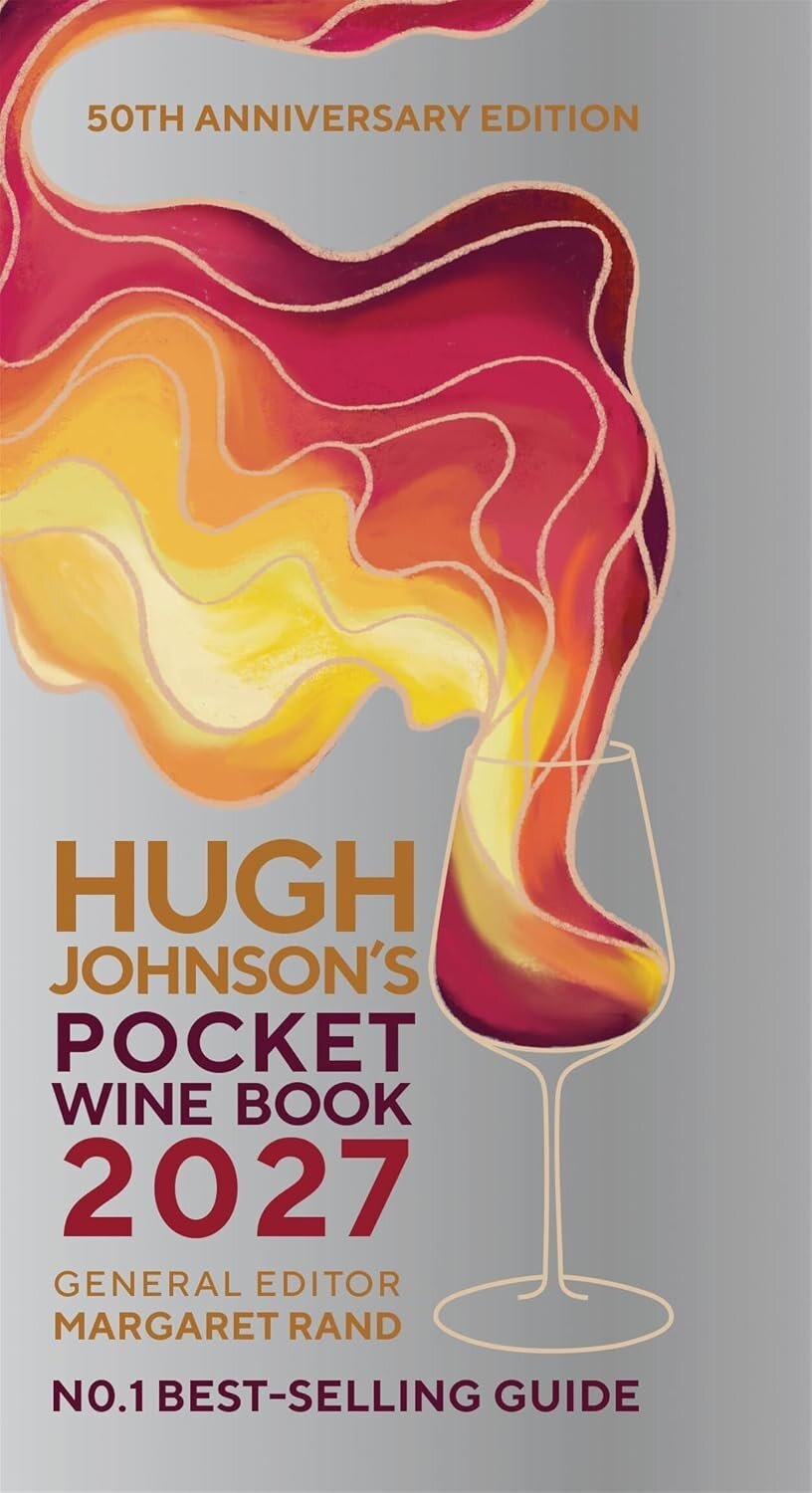
Hugh Johnson’s Pocket Wine Book 2027 is a portable guide to wine producers, regions and vintages. It can help you learn the names on this list, but it is not a source of current investment prices or a guarantee of resale value.
Frequently asked questions
Is Château Lafite Rothschild the best first wine to buy?
It is a recognizable research example, but there is no automatic best first purchase. The vintage, price, condition, costs, and exit route could make a particular offer unattractive. A beginner should be able to explain the complete transaction before choosing any label.
Should I buy individual bottles or full cases?
Check the resale route you intend to use. Original packaging and complete cases can matter to acceptance and comparability, while some auctions handle individual rare bottles. Neither format proves authenticity or guarantees better returns. Do not pay a case premium without checking the relevant market.
Is Bordeaux safer than Burgundy?
A regional label does not establish safety. Compare exact stock, concentration, condition, price evidence, and costs. Index coverage may help with research, but it does not insure you against a loss or ensure a buyer will accept your wine.
What wines appreciate most?
There is no reliable list of future winners. Historical performance changes with the start date, vintage, currency, and fees. Ask whether a claim uses completed sales and whether it reflects the costs an individual buyer would actually pay.
How long should I hold wine?
Consider whether you can hold for years and wait longer than planned to sell, but do not assume time guarantees a profit. Review condition, demand, costs, and exit options periodically. The selling-plan checklist helps you evaluate the route before buying.
The next step is an offer comparison, not a top pick
Choose a wine to research, obtain a complete quote, and work through the purchase file. If you cannot verify the stock, explain the price, or identify a realistic exit, leave the purchase undecided. You do not need to turn every interesting bottle into an investment.
This article is general information, not personal investment advice. Wine can be illiquid and difficult to value; authenticity, storage, insurance, fees and taxes affect returns. Sources were checked on 24 October 2026. Past demand, index inclusion, and auction activity do not guarantee a profitable resale.
Pingback: How to Invest in Wine for Beginners in 2026 – Wine Asset Guide